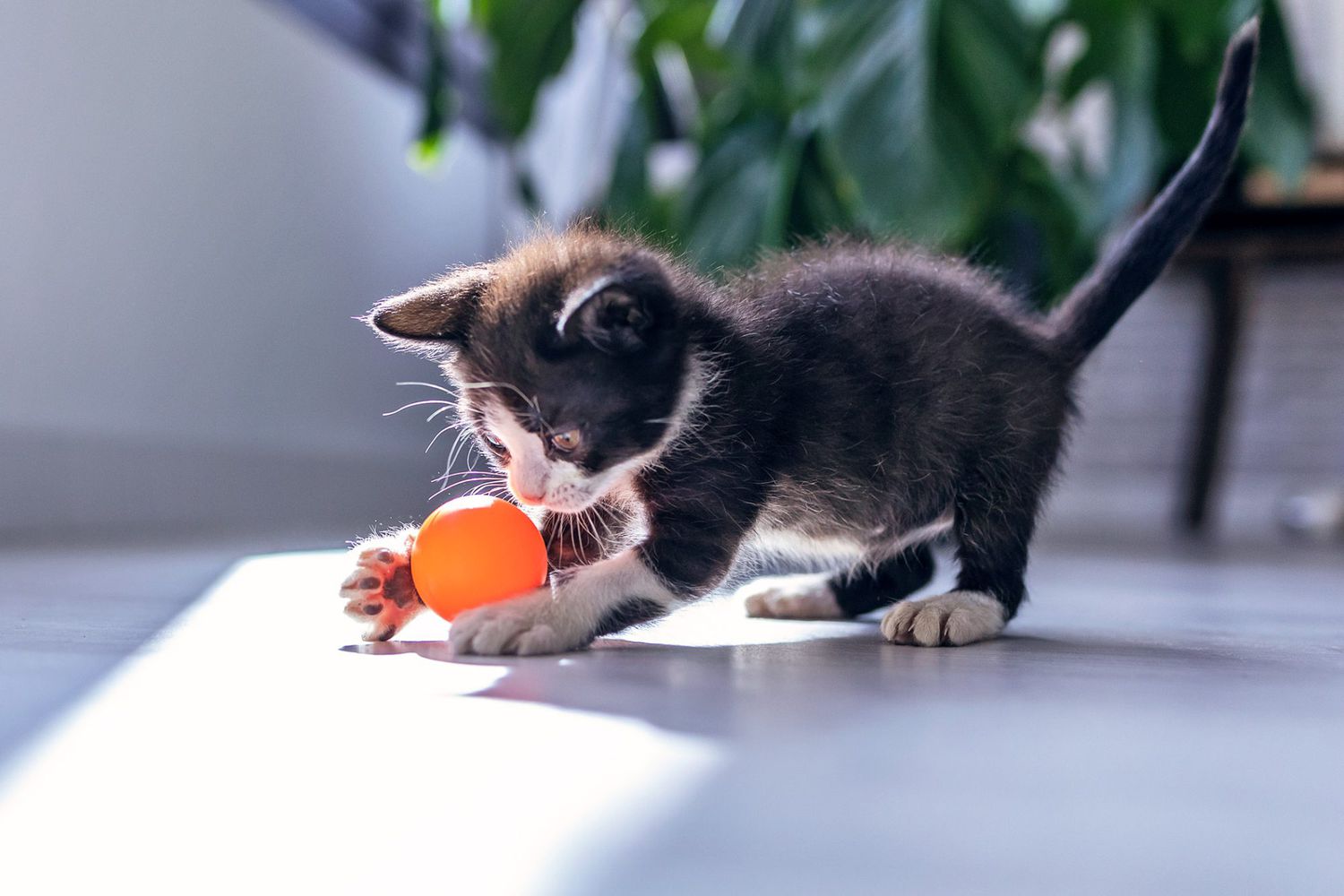

Cats are masters of mystery — affectionate one moment, aloof the next.
But beneath that independence lies sensitivity. Changes in mood, appetite, or behaviour can tell you a lot about your cat’s health.
Learning to read those signs is one of the most important parts of being a responsible cat guardian.
🐾 Dot says: “I don’t talk much — so please notice when something feels off. ”
Good care starts long before problems appear. Keep these basics in mind:
Find a trusted clinic near you in our Vet Directory.
Cats can hide pain well, so small changes often mean something important.
| Health Issue | What to Watch For |
|---|---|
|
Dental problems |
Bad breath, drooling, avoiding dry food |
|
Hairballs |
Frequent vomiting, coughing |
|
Fleas/worms |
Itching, scabs, weight loss |
|
Obesity |
Difficulty grooming, heavy breathing, low energy |
|
Urinary problems |
Frequent trips to litter tray, straining, blood in urine |
|
Senior issues |
Weight loss, confusion, stiffness, louder meowing |
If any of these symptoms appear — book a vet appointment immediately.
Cats are subtle communicators. Look for these early warning signs:
Dot tip: “ If I act differently, don’t ignore it. I’m trying to tell you something. ”
Cats behave the way they do for a reason. Most “problem behaviour” is really communication.
| Behaviour | Possible Reason | What to Do |
|---|---|---|
|
Scratching furniture |
Territory marking |
Provide scratching posts, praise use |
|
Aggression |
Fear, pain, overstimulation |
Identify trigger, never punish, consult vet |
|
Litter box issues |
Stress, infection, dirty tray |
Clean trays, vet check, reduce stress |
|
Excess meowing |
Hunger, anxiety, attention-seeking |
Keep routine, ignore attention meows, reward calm |
|
Hiding |
Stress or illness |
Provide safe spaces, check health |
|
Spraying |
Territory insecurity or unneutered |
Neuter, clean spots, behaviourist support |
Emotional wellbeing matters too. Cats can feel stress, anxiety, and depression.
Dot says: “If I scratch, I’m not being bad — I’m being a cat!”
Some issues need expert input.
Don’t delay if you notice:
Seek advice from:
Cats.ie lists only verified professionals who follow welfare-based practices.
Be prepared: