


Cats speak volumes — just not in words. Learn how to read every flick, blink, and stretch to understand what your cat is really saying.
You come home, and your cat greets you with a slow blink and a tail held high. The next day, the same cat walks past, tail twitching sharply at the tip. Nothing was said — but everything was communicated.
Cats are fluent in silent expression.
Their tails, ears, eyes, and even whiskers form a language as old as their species — and once you learn it, you’ll never stop listening.
1. The Tail — The Mood Barometer
If the eyes are the windows to the soul, the tail is the mood meter.
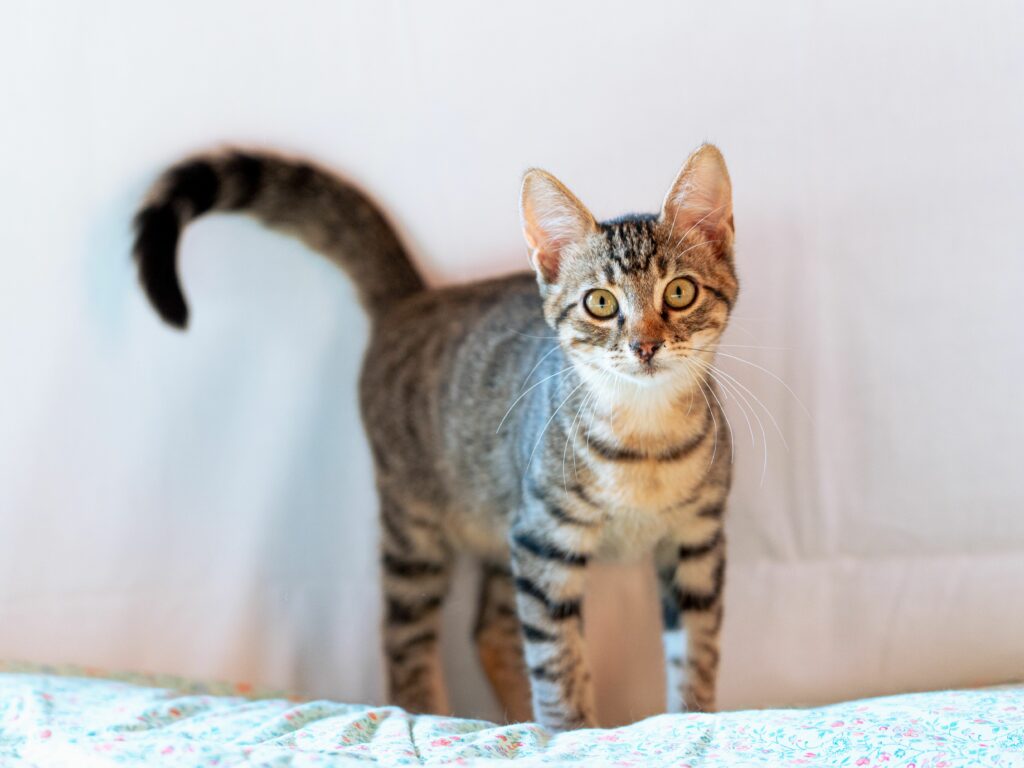
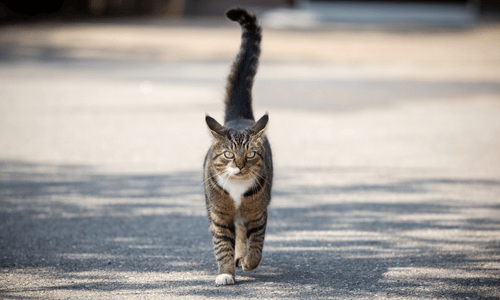
- Tail straight up, tip relaxed: confidence and greeting.
- Tail puffed, arched back: fear or sudden threat.
- Tail low, tucked: anxiety, submission, or pain.
- Tail twitching at the tip: frustration or overstimulation.
If your cat’s tail starts lashing while being petted, it’s not affection — it’s a polite warning: “Enough now, please.”
2. The Eyes — More Than Meets the Blink
Cats rarely stare for long unless they’re hunting or unsettled.
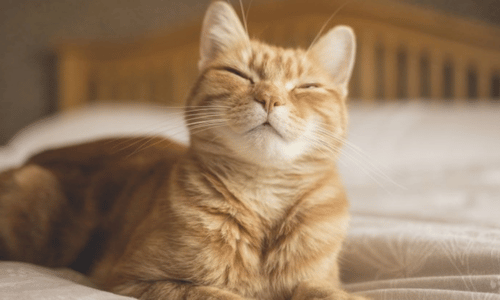
A slow, lazy blink — often called the “cat kiss” — is one of the clearest signs of trust and affection.
💬 Try this: Sit near your cat, meet their gaze, and blink slowly.
Many cats will blink back. That’s their way of saying, “We’re good.”
Dilated pupils mean excitement or fear; narrow slits often signal focus, irritation, or bright light.
As always, context is everything.
3. The Ears — Tiny Radar Dishes
A cat’s ears can swivel 180 degrees — each acting like an antenna.
- Forward ears: curiosity or friendliness.
- Flattened ears: stress or anger.
- One ear tilted back: listening behind while staying alert.
During introductions or play, ears tell you if a cat feels safe. If they flatten, step back and slow down.
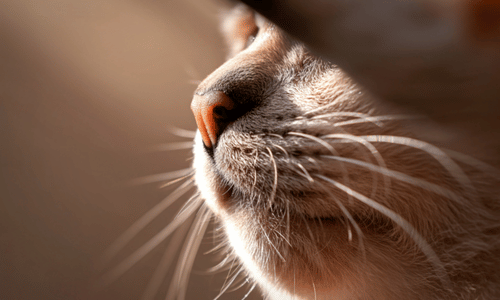
4. The Whiskers — Mood Sensors
hiskers aren’t just cute — they’re sensory tools that detect movement, distance, and emotion.
- Forward whiskers: interest or excitement.
- Flat against face: fear or discomfort.
- Neutral, relaxed: contentment.
Never trim whiskers — it’s like blinding a cat in the dark.
5. The Body — The Whole Story
Body posture is where all signals come together:
- Arched back, fur up: alarmed or defensive.
- Rolling onto back (belly up): trust — but not necessarily an invitation to touch.
- Kneading with paws: comfort and affection (a behaviour from kittenhood).
Watch for slow movements, not isolated gestures — cats “speak” in sequences.
A tail flick followed by a head turn and paw lick isn’t just random; it’s a cat politely changing the subject.
6. The Voice — For Us, Not Them
Ironically, cats developed meowing mostly for human interaction.
Adult cats rarely meow to each other; they meow to us because we respond.
Short meows are greetings, drawn-out ones are requests, and chirrups mean excitement.
Every cat has a unique “voice.”
Learning it deepens your bond — because communication is a two-way street.
🧠 Expert Tip:
“If you listen closely, your cat is always talking — just not in words. The more you understand the signals, the fewer ‘mysteries’ you’ll have to solve.”
7. The Silent Apology — And the Purr
Cats don’t say sorry — they blink.
A cat that approaches after a disagreement, rubs gently, or curls its tail around you is extending a peace offer.
And the purr? It’s not always happiness.
Cats also purr when frightened or healing — it’s a self-soothing frequency proven to promote tissue repair.
That’s how extraordinary they are: even comfort becomes medicine.
Final Thought
The next time your cat flicks a tail or gives you that long blink, remember: they’ve already said more than words ever could.
You just have to learn the language — and Cats.ie is here to help translate.